Industry Knowledge
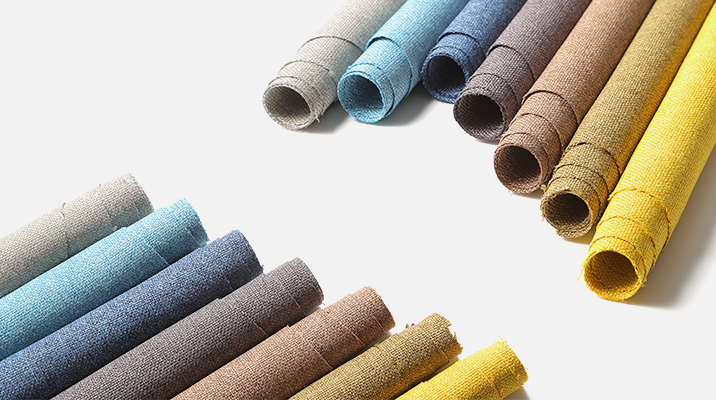
Solid dyed fabric, also known as piece-dyed fabric, is a type of textile material that has been dyed in a single, uniform color. In the manufacturing process, the entire piece of fabric is immersed in a dye bath or treated with dyes to achieve the desired color. This results in a consistent color throughout the entire fabric, without any patterns or variations.
The solid dyeing process is different from other fabric dyeing methods like yarn-dyeing or printing, which create patterns or designs on the fabric surface. It is one of the most common and straightforward methods of coloring fabric, making it widely used in the textile industry to produce a wide range of colored fabrics for various applications, including clothing, home textiles, upholstery, and more.
Advantages of solid dyed fabrics include their simplicity, uniform appearance, and versatility, as they can easily be used for various purposes and styles. They provide a consistent color that is less likely to fade or show wear patterns, making them a popular choice for everyday wear and interior applications. Additionally, solid dyed fabrics are often considered more cost-effective compared to other intricate dyeing techniques.
Choosing the right solid dyed fabric involves considering various factors to ensure that the fabric suits your specific needs and preferences. Here are some steps to help you make an informed decision:
Fiber Content: Determine the type of fiber you want the fabric to be made from. Common options include cotton, polyester, linen, silk, wool, and blends of these fibers. Each type of fiber has its own unique characteristics, such as breathability, durability, and texture.
Fabric Weight: Consider the weight of the fabric, which refers to how thick or thin it is. Lighter fabrics are ideal for warm weather and drapey garments, while heavier fabrics are suitable for colder climates and structured clothing.
Fabric Texture: Assess the texture of the fabric. Some solid dyed fabrics may have a smooth and even texture, while others may be more textured or have a slight sheen. Choose a texture that aligns with your intended use and desired aesthetic.
Colorfastness: Check the colorfastness of the fabric, which refers to how well the dye holds up to washing and exposure to sunlight. A high-quality solid dyed fabric should maintain its color vibrancy even after multiple washes.
Purpose and Use: Consider the intended use of the fabric. Different fabrics are better suited for various applications, such as clothing, upholstery, home decor, or craft projects. For example, if you're looking for fabric for clothing, consider factors like drape, breathability, and comfort.
Care Instructions: Review the care instructions for the fabric. Some fabrics may require special handling, such as dry cleaning or delicate washing, while others are more low-maintenance.
Feel the Fabric: If possible, visit a fabric store or request swatches to feel the fabric's texture and gauge its overall quality.
Environmental Impact: If sustainability is a concern for you, consider choosing fabrics made from eco-friendly materials or those produced using sustainable manufacturing processes.



 English
 Español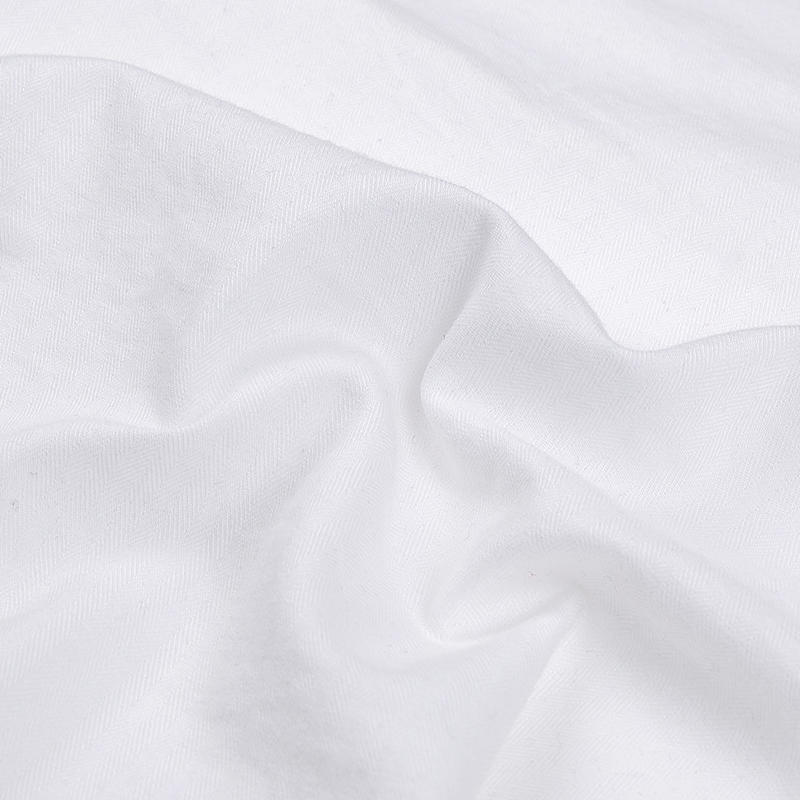

 +86-519-86503571


 Phone: +86-13218666905
 Tel: +86-0519-86503571
 Fax: +86-519-86703160
 E-mail: